A Guide to Choosing the Right Dumpster for Your Business
Choosing the right dumpster is an important decision for any business that produces waste. The size, design, placement, and pickup schedule of a container can affect safety, cleanliness, costs, and day-to-day efficiency. A dumpster that is too small may overflow before collection day, while one that is too large may take up space and increase expenses unnecessarily. Businesses also need to consider the types of materials they discard, how often waste is generated, and whether temporary or ongoing service is required. By evaluating these factors, business owners can select a practical waste solution that supports their operations and keeps their property organized.
Assessing Your Business’s Waste Volume
The first step is estimating how much waste your business produces each week. Restaurants, retail stores, offices, warehouses, apartment communities, and construction companies all generate different volumes and types of debris. Review the number of trash bags, boxes, pallets, food containers, or discarded materials your team handles each day. A reliable estimate helps prevent choosing a container that fills too quickly or remains mostly empty between pickups.
Employees can record how often indoor bins are emptied and whether existing containers frequently reach capacity. Sharing this information with a dumpster rental service allows the provider to recommend a size based on business activity. An accurate volume assessment can reduce overflow, unnecessary pickups, and extra fees while giving employees enough disposal space to maintain a clean and efficient workplace.
Identifying the Materials You Need to Discard
Not every dumpster is suitable for every type of material. General commercial waste may include paper, packaging, food scraps, broken office supplies, and nonhazardous debris, while construction projects may produce concrete, wood, drywall, roofing materials, and metal. Some materials are heavy, bulky, recyclable, or subject to special disposal rules. Before renting a container, create a list of the items your business expects to discard. This helps the provider determine whether you need a standard commercial dumpster, a roll-off container, or a specialized disposal option.
Businesses should never assume that chemicals, batteries, paints, medical waste, electronics, or other regulated materials can be placed in a general container. Ask the dumpster rental service for a clear list of prohibited items and approved disposal procedures. Separating restricted or recyclable materials protects employees, collection crews, and the environment. It may also help your business avoid contamination charges, rejected loads, or regulatory penalties. Clear disposal guidelines should be shared with everyone who uses the dumpster so that unsuitable materials are not added accidentally.
Comparing Available Dumpster Types
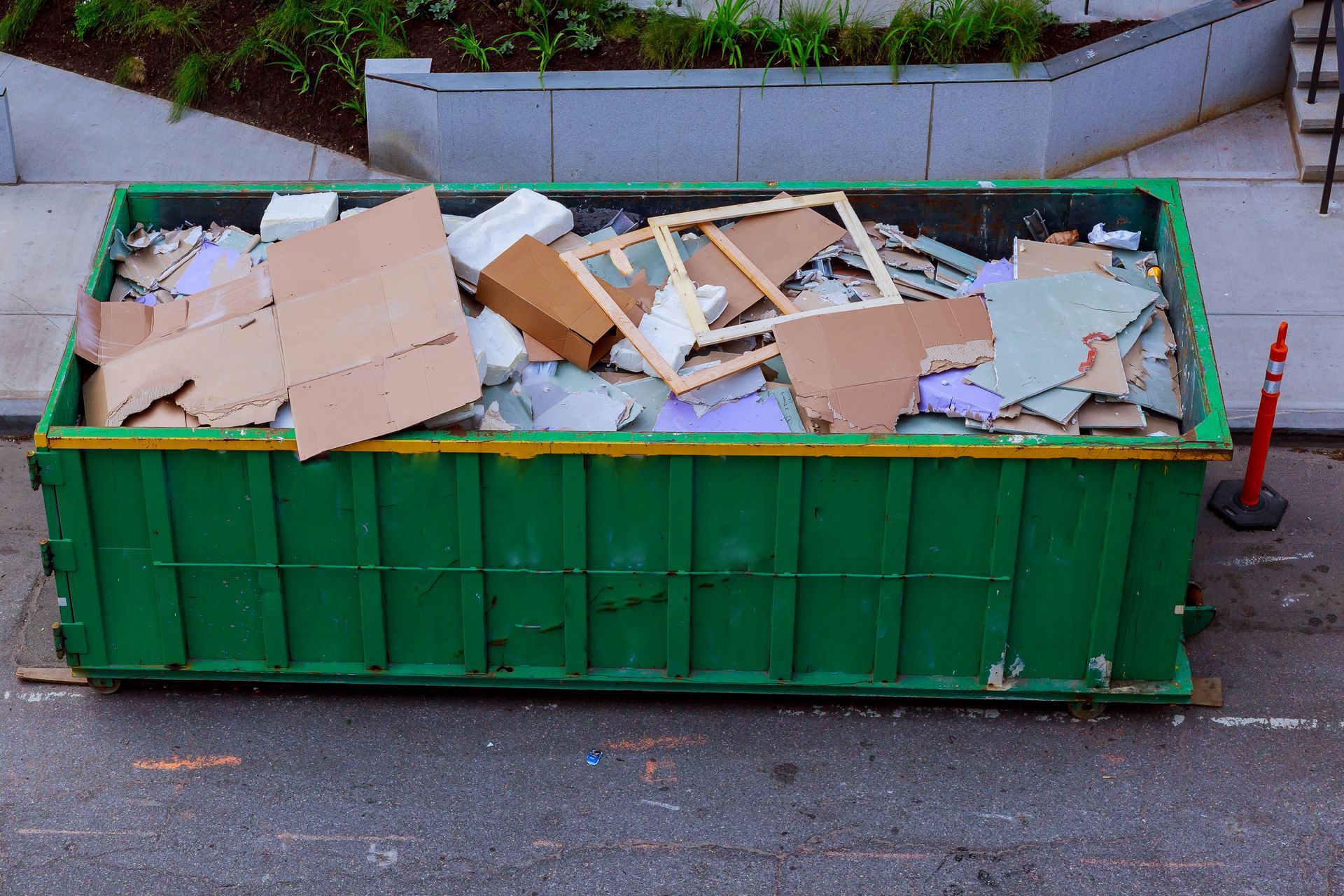
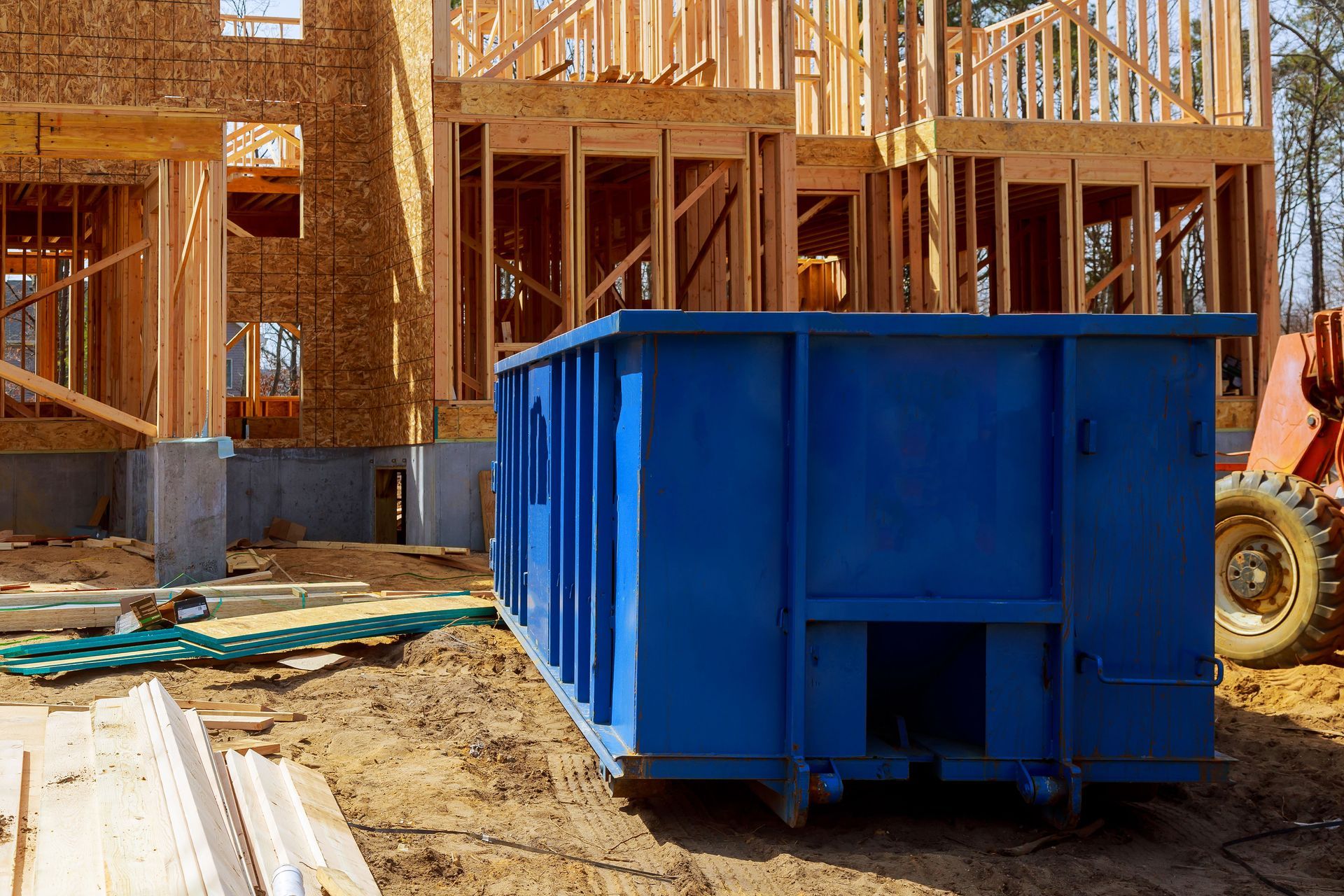
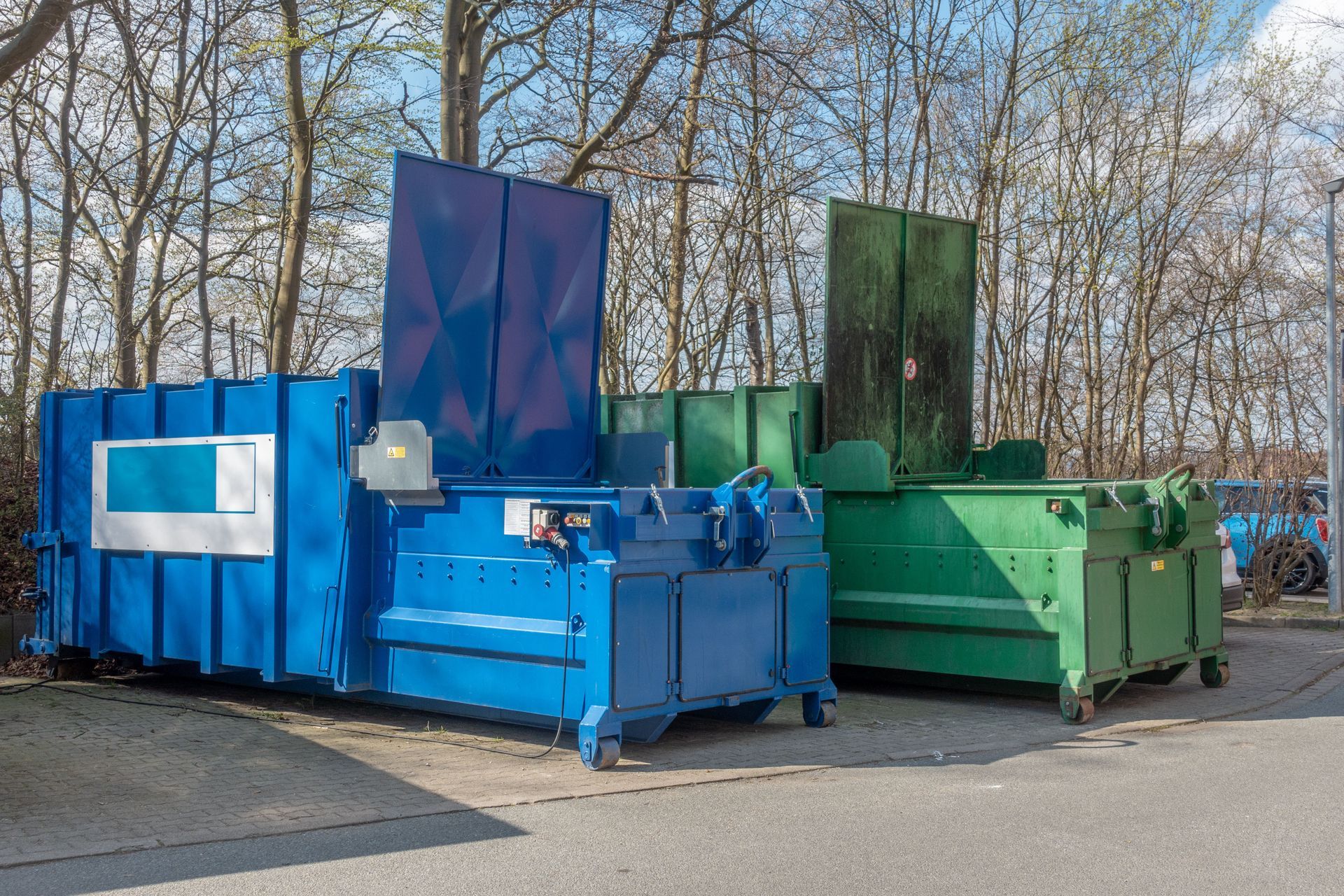
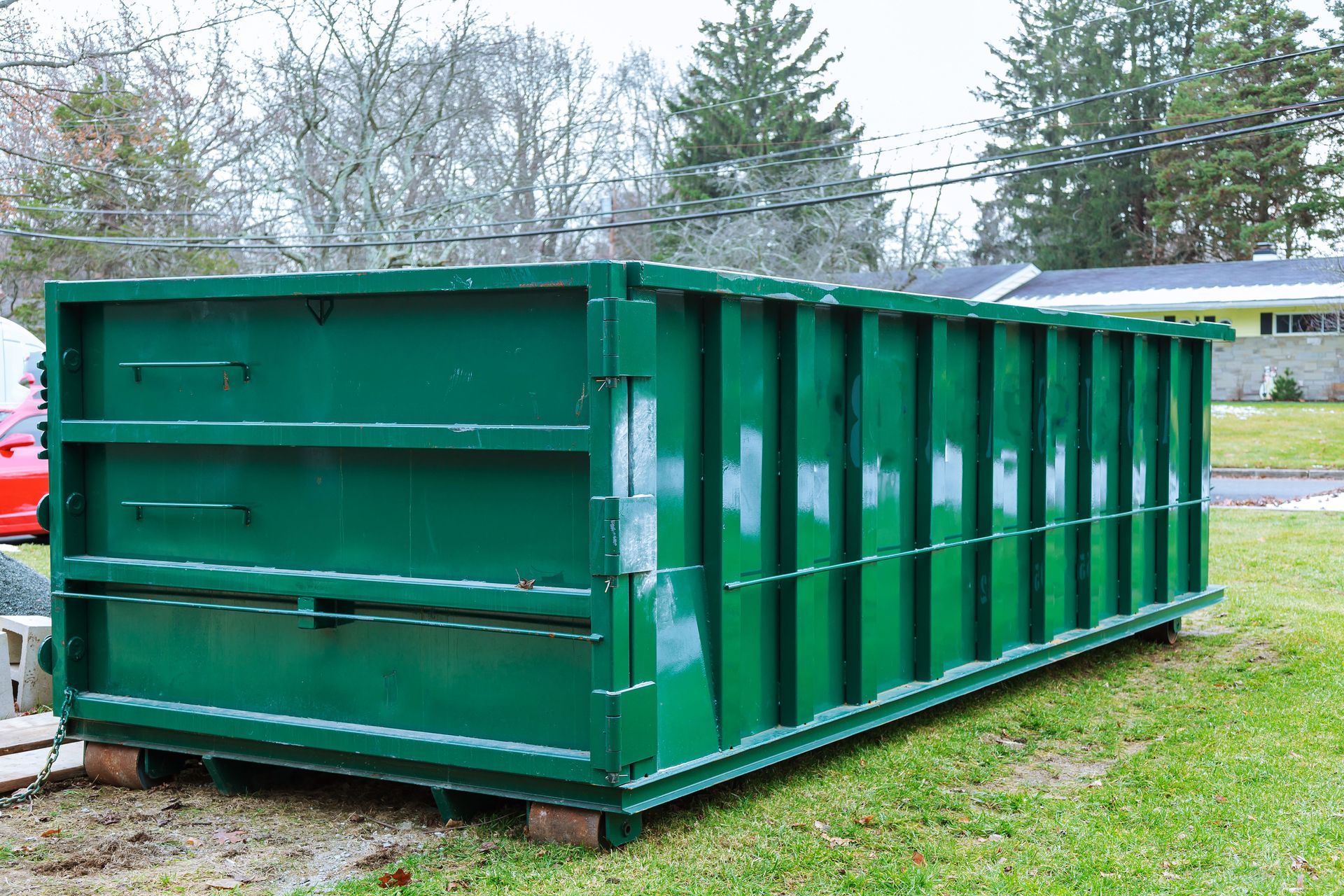
Commercial front-load dumpsters are commonly used by restaurants, offices, retail properties, and other businesses that need ongoing waste collection. These containers usually have lids and are designed for regular pickup by a specialized truck. Roll-off dumpsters are larger, open-top containers that are delivered to a site and removed when full. They are often used for remodeling, construction, cleanouts, and short-term projects. According to Data Horizzon Research, roll-off dumpsters account for 60% of the global dumpster rental market, making them the industry's most widely used option.
The right design depends on how your business will use the container. A front-load dumpster may be convenient for routine trash generated throughout the week, while a roll-off container may provide easier access for bulky debris and large cleanup projects. A dumpster rental service can explain the loading style, capacity, lid options, and collection process for each model. Understanding these differences helps businesses choose a container that matches their workflow instead of selecting one based only on price or appearance.
Selecting the Appropriate Dumpster Size
Dumpster sizes are generally measured in cubic yards, but the best choice depends on more than the listed capacity. A smaller container may work well for an office with light paper waste, while a larger unit may be necessary for a restaurant, warehouse, or renovation project. Consider how easily employees can lift materials into the container and whether bulky items will fit through the opening. The physical dimensions should also be reviewed to ensure the dumpster can be delivered, positioned, and collected without blocking entrances, parking spaces, or loading areas.
Choosing the smallest possible container is not always the most economical approach. Frequent overflow, extra pickups, and overage charges can make an undersized dumpster more expensive over time. However, paying for unused capacity is also inefficient. Provide the dumpster rental service with detailed information about your waste volume, material type, and expected project duration. The provider can use this information to recommend a size that balances capacity, space, convenience, and cost. It may also be possible to adjust the size later if your needs change.
Planning a Safe and Accessible Placement Area
The dumpster should be placed on a firm, level surface that can support the weight of the container and its contents. Concrete or asphalt is often preferable because soft ground may shift, sink, or become difficult to access during rain or snow. The location should be close enough for employees to use conveniently but far enough from customer entrances, outdoor seating, and high-traffic areas to limit odors, noise, and visual disruption. Adequate clearance is also necessary for the delivery truck to place and retrieve the container safely.
Before scheduling delivery, check for overhead wires, low branches, gates, narrow driveways, steep slopes, and other obstacles. Businesses may also need permission from a landlord, property manager, municipality, or homeowners' association before placing a dumpster in certain locations. Ask the dumpster rental service about space and clearance requirements so the site can be prepared in advance. A well-planned location reduces delivery problems, protects surrounding property, and makes it easier for employees and collection crews to use the container safely.
Determining the Right Pickup Schedule
Ongoing commercial accounts often require weekly pickups or multiple pickups per week, while temporary projects may need collection only when the container is full. The ideal schedule depends on waste volume, available capacity, local health requirements, and the types of materials being discarded. Food waste may require more frequent service to control odors and pests, whereas dry office waste may remain manageable for longer periods. Businesses should monitor how quickly the dumpster fills and whether trash begins accumulating around the container before collection day.
A flexible schedule can help businesses respond to changing conditions. Retailers may need additional pickups during holiday seasons, and contractors may generate more debris during demolition phases. Discuss normal operations and predictable busy periods with the dumpster rental service before finalizing the agreement. Ask whether on-demand pickups, temporary frequency increases, or schedule changes are available. Matching collection frequency to actual waste production helps prevent overflow while avoiding charges for pickups that are not needed.
Reviewing Costs, Terms, and Service Details
Rental prices may include delivery, pickup, disposal, a set rental period, and a specified weight allowance. Additional charges can apply for excess weight, extended rental time, prohibited materials, failed pickup attempts, or trips made when the container is blocked. Businesses should request a clear written estimate and review all fees before signing an agreement. Comparing providers based only on the starting price can be misleading if important services or allowances are excluded. A complete cost comparison gives decision-makers a more accurate picture of the total expense.
Service quality is equally important. Ask how quickly the provider responds to missed pickups, damaged containers, schedule changes, or unexpected waste increases. Confirm whether lids, locks, recycling options, and replacement containers are available. A dependable provider should explain the agreement clearly and help your business choose a practical arrangement rather than pushing an unnecessarily large container or overly frequent service schedule. Transparent communication and responsive support can make waste management easier throughout the entire rental period.
Selecting the right dumpster requires a careful review of waste volume, material type, container design, available space, collection frequency, and total cost. Businesses that evaluate these factors in advance are better prepared to prevent overflow, support employee safety, maintain a professional property, and control disposal expenses. The best solution should fit both current operations and predictable changes in demand. Working with an experienced dumpster rental service can simplify the decision and provide guidance on container sizes, approved materials, and pickup options. For dependable support with your business waste needs, contact Lower County Recycling Company today.
Share On: