
Essential Tips for Affordable Dumpster Rentals
Managing residential cleanouts, home remodeling projects, commercial construction, or major landscaping overhauls generates significant volumes of unwanted waste and bulky debris. Finding an efficient, economical way to collect, contain, and dispose of discarded materials remains an essential logistical priority for property owners and project managers alike. Renting a temporary roll-off container offers a convenient, centralized waste management solution that keeps work areas safe, organized, and compliant with local municipal codes. However, without careful planning and strategic decision-making, waste removal expenses can escalate rapidly due to unexpected weight overages, rental period extensions, and hidden fuel surcharges. According to EPA, wood products accounted for approximately 40.8 million tons of C&D debris. Navigating waste removal logistics effectively requires a solid understanding of container sizing, weight allowances, permit requirements, and proper loading techniques. Implementing proactive cost-control measures transforms a routine cleanup into a budget-friendly, streamlined operation. Learning essential industry practices empowers homeowners and contractors to secure competitive rates while avoiding unnecessary administrative fees. Establishing a well-planned waste management strategy protects your project budget, preserves jobsite safety, and ensures stress-free debris removal from start to finish.
Assessing Project Scope and Selecting Optimal Container Sizes
Selecting the correct container capacity represents the initial step in securing cost-effective waste management services for any home or commercial project. Choosing a container that proves too small results in needing additional haul-off trips or renting a second bin, doubling delivery fees and administrative overhead. Conversely, reserving an oversized container forces you to pay for unused volumetric space, draining valuable funds from your overall project budget. Evaluating your waste stream carefully allows you to match project volume with appropriate container dimensions, balancing capacity with financial expenditure. Professional service providers offering temporary dumpster rentals guide clients through capacity estimations, helping categorize materials based on bulk density and overall volume. Factoring in heavy materials like concrete, brick, dirt, or roofing shingles is critical, as heavy items reach weight thresholds long before filling visual volumetric space. Taking time to calculate accurate material volumes ensures optimal container selection, preventing surprise overage penalties and keeping overall project expenses well within planned limits. Consulting with customer support teams provides valuable insights into material volume ratios and ideal container choices. Selecting the right container capacity keeps your jobsite clean and eliminates the hassle of ordering secondary bins.
Understanding Weight Limits and Avoiding Heavy Overage Penalties
Container rental agreements specify precise weight allowances based on local disposal facility scales, municipal hauling regulations, and axle weight limits. Exceeding designated weight thresholds triggers substantial overage fees charged on a per-ton basis when the container arrives at regional landfills. Water absorption from rain or snow adds significant weight to porous materials like drywall, carpeting, wood framing, and outdoor yard waste. Securing a heavy tarp over the open top of your container during inclement weather prevents rainwater from saturating discarded items and inflating total scale weights. Consulting seasoned specialists offering residential dumpster rentals helps clarify specific weight limits for different material categories before loading begins. Keeping heavy masonry or soil separate from light household junk avoids exceeding total weight allowances unexpectedly. Monitoring total tonnage throughout your rental period safeguards your financial budget, preventing frustrating overage penalties on your final invoice. Placing plywood boards underneath container rollers protects driveways from surface cracking caused by heavy loads. Taking proactive precautions prevents costly driveway repairs while keeping total waste weight manageable.
Comparing Local Service Rates and Reviewing Hidden Fee Structures
Securing competitive pricing requires researching multiple regional waste management providers and requesting transparent, fully itemized cost estimates. Standard rental quotes should explicitly outline delivery fees, daily rental rates, weight allowances, disposal tipping charges, and pickup schedules. Some low-cost initial estimates conceal hidden charges, such as fuel surcharges, environmental compliance fees, trip cancellation costs, or extended rental penalties. Inquiring about comprehensive pricing packages ensures you understand total financial obligations before signing service contracts or scheduling container delivery. Partnering with verified companies providing commercial dumpster rentals guarantees transparent billing structures without unexpected add-on charges appearing after project completion. Comparing local service options, reading verified customer reviews, and verifying company reputations help identify honest, reliable haulers across your regional area. Obtaining itemized estimates empowers property owners to make well-informed financial choices, ensuring exceptional value across every phase of waste disposal. Requesting written proposals guarantees that potential charges are clearly disclosed upfront. Transparent financial agreements foster trust and ensure that your project remains within budget limits.
Securing Municipal Permits and Avoiding Ordinance Fines
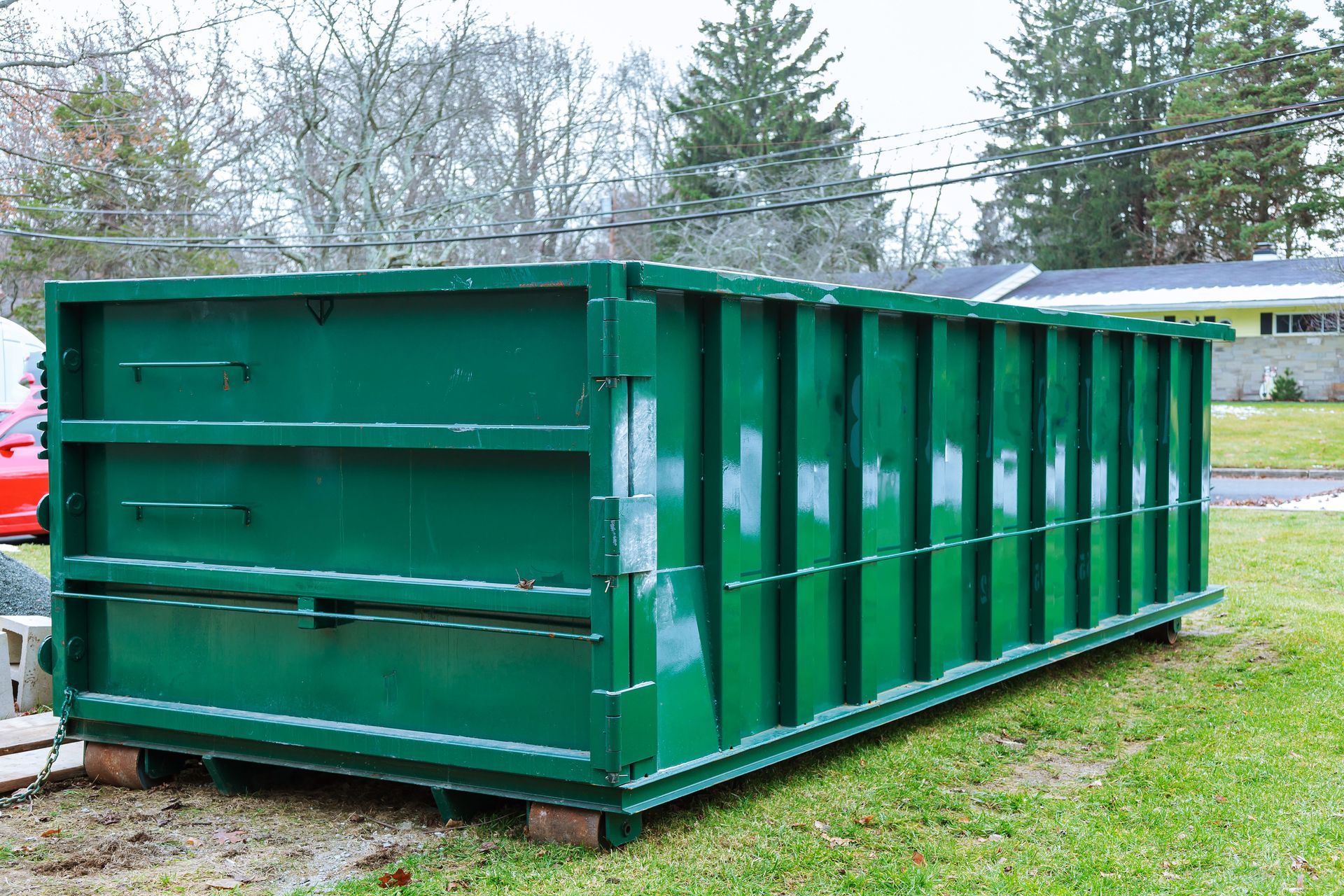
Placing a roll-off container on public property, such as city streets, sidewalks, public alleys, or municipal rights-of-way, frequently requires obtaining official street permits. Local municipal governments enforce strict placement ordinances, safety lighting requirements, and setback rules to preserve public traffic flow and pedestrian safety. Failing to secure necessary municipal permits prior to container delivery can result in costly city fines, delayed project timelines, or forced container relocation. Placing the container entirely on private property, such as a concrete driveway or gravel parking pad, typically eliminates municipal permit requirements and associated municipal application fees. Contracting with credentialed providers offering roll-off dumpster rentals helps property owners navigate local municipal placement guidelines and permit application processes smoothly. Confirming driveway dimensions, clearing overhead tree branches, and obtaining required municipal permits beforehand prevents frustrating delivery delays and avoids expensive municipal ordinance violations. Ensuring clear vehicle access on delivery day prevents trip charges from blocked driveways. Proper site planning guarantees smooth container placement and protects public roadways.
Optimizing Material Sorting and Streamlining Loading Efficiency
Maximizing available interior space through strategic loading techniques ensures you utilize every cubic yard of container capacity efficiently. Tossing bulky items haphazardly creates large empty air pockets, filling the container prematurely and forcing unnecessary secondary rentals. Disassembling broken furniture, flattening large cardboard boxes, and stacking long wooden planks uniformly at the bottom eliminates trapped air and optimizes space utilization. Furthermore, separating recyclable materials like metal scrap, clean cardboard, and untreated lumber can reduce overall disposal weight and lower tipping fees. Coordinating with experienced providers offering reliable dumpster rentals allows you to identify local recycling facilities that accept sorted materials at reduced rates. Distributing heavy weight evenly across the container floor maintains vehicle balance during hauling and prevents dangerous load shifts during transit. Thoughtful packing techniques maximize total container volume, lower overall waste weight, and deliver exceptional cost savings across your entire project timeline. Utilizing specialized loading ramps allows workers to walk heavy wheelbarrows directly into the bin, filling corners evenly. Thoughtful packing habits maximize usable space and streamline the cleanup effort.
Securing affordable waste container services requires careful project evaluation, precise container capacity selection, strict adherence to weight allowances, transparent rate comparisons, proper municipal permit compliance, efficient loading strategies, and prompt pickup coordination. Protecting discarded materials from heavy rainwater, sorting recyclable assets, disassembling bulky furniture, and keeping heavy masonry separate eliminate unexpected weight penalties and hidden fees. Implementing these practical waste management principles safeguards your project budget, maintains jobsite cleanliness, and ensures a seamless cleanup experience. Investing time in proactive planning converts complex waste removal logistics into a smooth, cost-effective process for every residential or commercial project.
At Lower County Recycling Company, our dedicated team brings extensive industry experience, transparent flat-rate pricing, and prompt delivery services to every waste management project we handle, ensuring your property cleanout remains efficient, compliant, and completely affordable from start to finish. Contact us today or visit our office to reserve your roll-off container and experience the lasting benefits of expert waste recycling and disposal services.


Share On: