How to Choose the Right Dumpster Rental for Your Needs
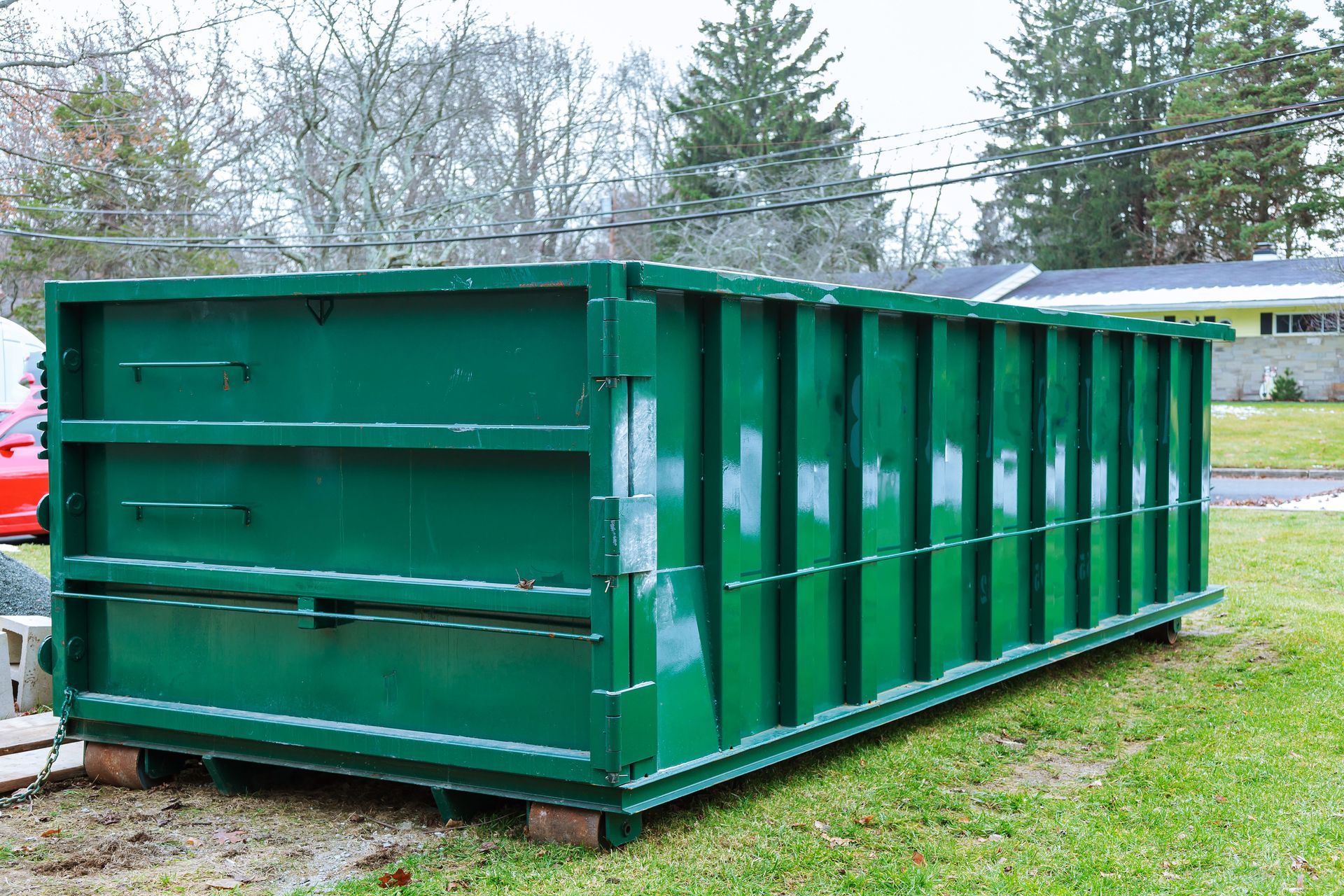
Choosing the right dumpster begins with understanding what the project will produce, how much material needs to be removed, and how the container will fit into the work area. A dumpster can make debris management more organized during renovations, cleanouts, demolitions, and other projects, but the wrong size or type can create unnecessary complications. A dumpster rental should match the material, volume, project duration, and available placement area. Taking time to evaluate these factors can help property owners select a practical waste-management solution.
Assessing Project Waste
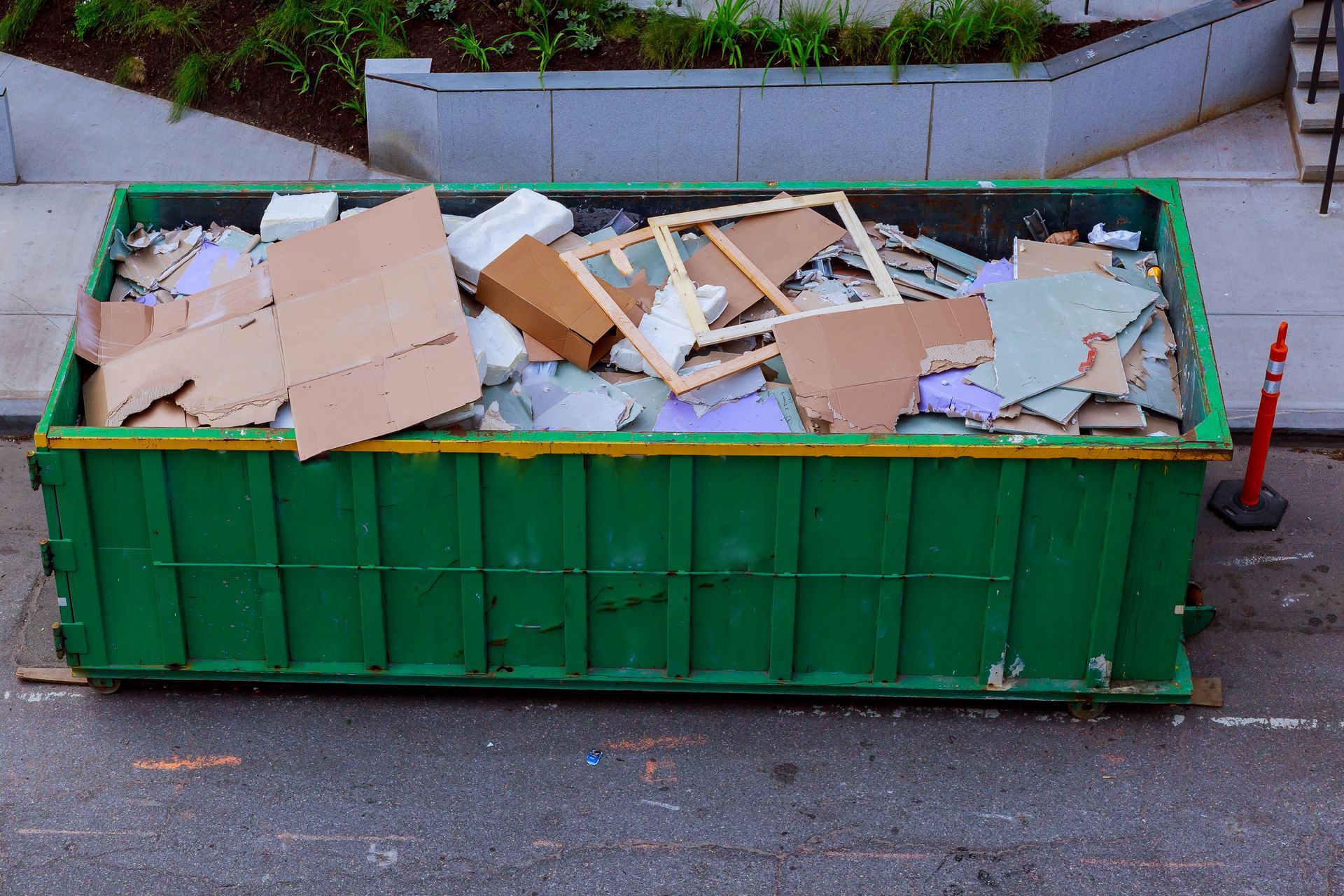
The first step is identifying the type of project and the materials it is expected to generate. A home renovation may produce drywall, flooring, cabinets, wood, and other bulky materials, while a property cleanout may involve furniture, household items, and general debris. Demolition projects can generate much heavier materials, including concrete, brick, roofing, and other construction components. Understanding the waste stream helps determine what kind of container is appropriate.
The amount of debris is equally important. Estimating volume requires considering how much material will be removed at each stage rather than focusing only on the finished pile. A dumpster that is too small may require additional service, while a container that is unnecessarily large may not be the most practical choice. A professional provider can discuss the project's expected debris and help identify a suitable capacity for a dumpster rental.
Choosing Container Capacity
Dumpster sizes are generally described by their volume, so estimating the amount of waste is central to the selection process. Small residential cleanouts may require a different capacity than major remodeling or demolition projects. The dimensions of the container should also be considered because two containers with similar capacities may have different footprints or height characteristics.
When selecting a dumpster rental, homeowners and contractors should think about the entire project timeline. Materials may accumulate gradually rather than all at once, and the container needs to accommodate the debris generated between scheduled service periods. Considering the project's scope, duration, and anticipated waste volume can help prevent capacity problems.
Matching Materials Properly
Not every dumpster is intended for every type of material, making waste composition an important part of the selection process. Construction debris may contain concrete, wood, drywall, metal, shingles, or other materials with different handling requirements. Household cleanouts can include a different mixture of materials, and some items may require separate disposal arrangements.
According to the EPA, demolition activities accounted for more than 90% of construction and demolition debris generation. This highlights how much material major demolition projects can produce and why appropriate debris management is important. Understanding the composition and quantity of demolition waste can help contractors select a container suited to the project rather than treating all waste as the same stream.
Considering Project Location
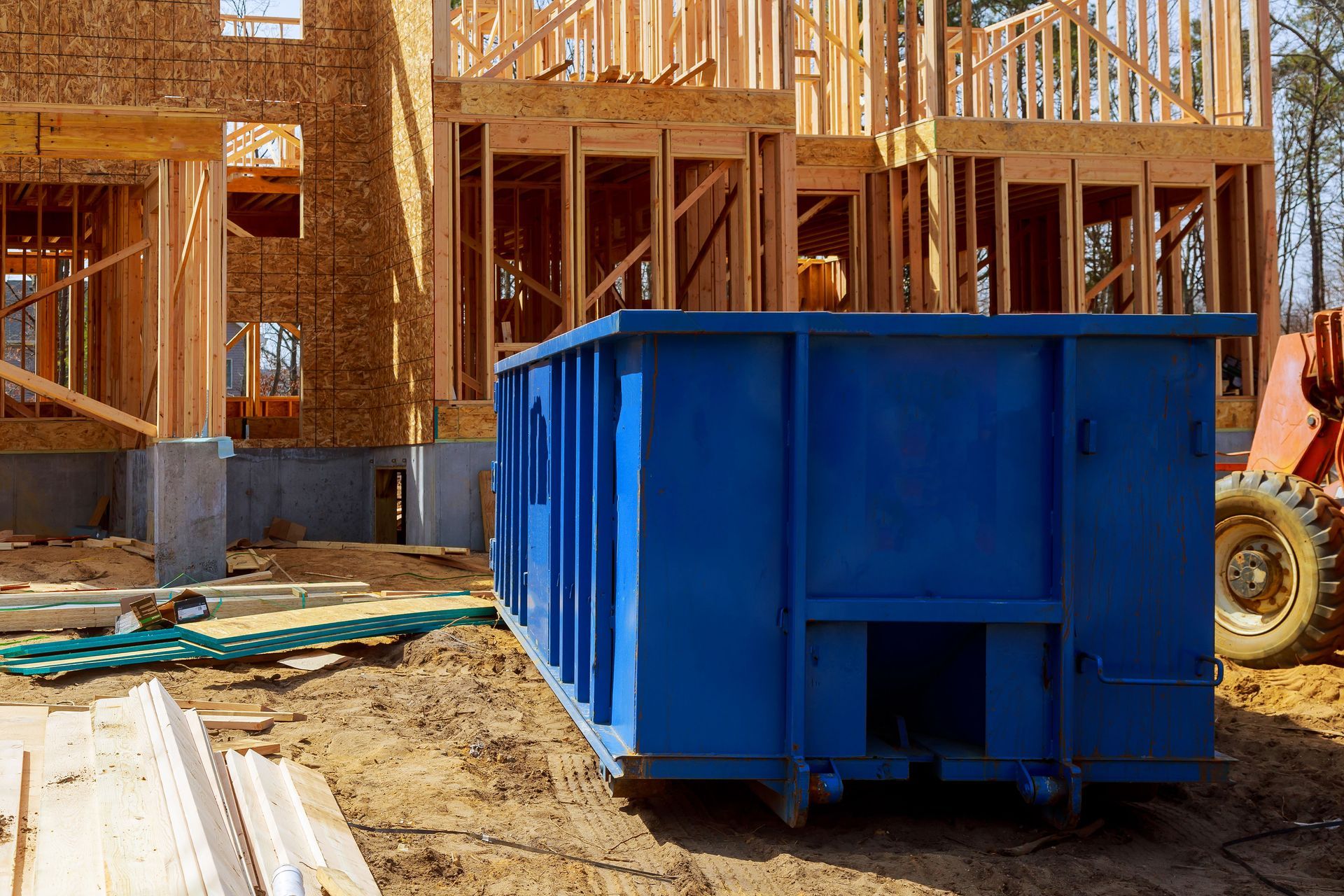
The placement area can influence which dumpster works for a particular property. A container needs a suitable location that provides adequate access for delivery and removal while accommodating the dimensions of the selected unit. Driveways, construction areas, parking spaces, access roads, and other potential locations may have different space limitations.
A dumpster rental provider can discuss placement considerations before delivery. The available area should allow the container to be positioned in a way that supports convenient loading and does not interfere unnecessarily with the project's operations. Planning placement in advance can also help avoid moving the container later because the original location was unsuitable.
Planning Rental Duration
Project schedules can change because construction activities, renovations, cleanouts, and demolition work do not always progress at the same pace. Choosing a rental period should therefore account for the expected duration of the project as well as potential delays. A container that remains available while debris is generated can help maintain a more organized work area.
It is useful to discuss scheduling expectations with the provider before the dumpster is delivered. Understanding the planned service period and any available scheduling options can help coordinate waste removal with the project timeline. This is especially important for projects with several phases that generate debris at different times.
Reviewing Weight Requirements
Volume is not the only consideration when choosing a dumpster. The weight of the material can also affect which container is appropriate, particularly when a project involves dense debris such as concrete, brick, soil, roofing materials, or other heavy construction waste. A container that appears large enough by volume may not be the right choice for a load with substantial weight.
Discussing the expected materials with a professional provider can help clarify weight-related considerations. Heavy debris may need to be handled differently from lighter household or renovation waste. Understanding these requirements before delivery can make the waste-management plan more predictable and help avoid selecting a container that does not fit the material being removed.
Comparing Access Requirements
The way debris will reach the container is another factor to consider. A dumpster located too far from the active work area may make debris handling less convenient, while a container placed too close to an active construction zone may interfere with equipment or workers. The property's layout should therefore be considered alongside the container's dimensions.
Access for the delivery vehicle also matters. Narrow entrances, overhead obstructions, gates, landscaping, and other physical features can influence where a container can be positioned. Discussing the property layout with the provider can help identify practical placement options before delivery. This preparation can make the arrival and removal process more organized.
Evaluating Service Options
Service considerations can be just as important as container capacity when planning waste removal. A dumpster rental provider may offer different container sizes, scheduling arrangements, and waste-handling options depending on the project. Discussing these choices in advance can help property owners understand which services align with their expected debris and timeline. Clear communication about materials and project conditions can make the rental process more straightforward from delivery through removal.
Coordinating Waste Removal
The timing of debris removal should also fit the pace of the project. A dumpster rental that is removed too early may leave a project without an appropriate collection point, while keeping a container longer than necessary may not fit the planned schedule. Coordinating delivery and removal around project milestones can help maintain an organized work area. Professional guidance can make it easier to account for changing project conditions.
Supporting Cleaner Project Organization
A properly selected dumpster can help keep debris consolidated instead of allowing materials to accumulate across the property. Centralized debris collection can make a renovation, cleanout, or demolition area easier to manage as work progresses. It can also provide a defined location for discarded materials, which can contribute to a more orderly project environment.
The right dumpster rental can also support scheduling between different phases of work. When debris is contained appropriately, contractors and property owners can better understand how much material has accumulated and when removal may be necessary. This makes waste management part of the broader project plan rather than an issue addressed only after debris becomes difficult to manage.
Choosing the right dumpster involves more than picking a container based solely on size. Material type, estimated volume, weight, placement area, access conditions, and project duration all influence which option may be appropriate. Lower County Recycling Company can help customers evaluate these considerations and select a
dumpster rental that aligns with the requirements of their project.
Our team can discuss your project, the materials you expect to remove, and the available placement area so you can make an informed selection. Whether you are planning a renovation, property cleanout, construction project, or demolition, we can help you coordinate practical debris management. Contact Lower County Recycling Company to discuss your needs and find a dumpster solution designed around your project.
Share On: